
Expanding Your SPF Business to a New State: A Licensing Checklist
Growing an SPF installation business across state lines sounds simple until you actually try to do it — and then you discover that the license you spent months earning in your home state might mean almost nothing in the next state over. Contractor licensing in the US is not reciprocal by default. Here's a practical checklist for approaching a new state the right way.
1. Don't Assume Reciprocity
Some states have limited reciprocity agreements with specific neighboring states or through NASCLA (the National Association of State Contractors Licensing Agencies) reciprocal exam program, but this is the exception, not the rule. Assume you'll need to independently qualify in a new state unless you've specifically confirmed otherwise with that state's board.
2. Identify the License Model First
Before you do anything else, figure out which of these categories the new state falls into:
- A named insulation classification (Arizona, California, Louisiana, Nevada, New Mexico, Utah, Virginia, and others) — you'll likely need this specific credential, separate from any general contractor license.
- General contractor / home-improvement licensing that covers insulation (many states) — a broader license, often tiered by project dollar value.
- Business registration only, no competency exam (Iowa, Nebraska, Delaware, Rhode Island, New Jersey, and others) — lighter-weight, but still mandatory and not optional.
- No state-level requirement identified (Ohio, Texas, Colorado, Missouri, Kansas, and others) — but check local city/county rules, which can still apply even when the state itself doesn't regulate the trade.
Our 50-state directory breaks down which category applies where.
3. Budget for Bonding and Insurance — as a Licensing Cost, Not an Afterthought
Where a state requires bonding or a specific insurance minimum as part of licensure, that's a real, often non-negotiable cost of doing business there. For example, some states require proof of general liability coverage in the hundreds of thousands of dollars, or a surety bond in a specific dollar amount, before a license or registration will be issued. These aren't optional upsells — they're conditions the state sets for legally operating, and you should confirm current figures with the board directly and budget for them before committing to expansion.
4. Check for Experience or Exam Requirements
States with a competency-based license (rather than simple registration) may require documented spraying or project-management experience, a trade exam, a business-and-law exam, or some combination. A few states (like Utah) require a specific number of hours of prelicense education. Build in lead time — some of these processes take weeks or months, not days.
5. Confirm Local Rules Even Where State Rules Are Light
Even in states with no statewide insulation or general contractor license, individual cities and counties frequently step in with their own registration, bonding, or permitting requirements. "No state license" is not the same as "no rules" — verify with the specific municipality where your work will actually happen.
6. Re-Verify Before You Bid
Licensing rules change. New laws get passed (Maine's new residential contractor licensing act, for instance, doesn't take effect until 2027, but it's already been signed), thresholds get adjusted, and classifications occasionally get restructured. Don't rely on research from a year ago — confirm current requirements with the board directly before you submit a bid that assumes a specific license status.
Getting Help
If you're actively expanding and want a second set of eyes on what a specific state requires, get free licensing help — tell us the state and where you are in the process, and we'll point you toward the right resource.
This checklist is informational, not legal advice. Always confirm current requirements with the relevant state licensing board before making business decisions.
More Guides
General Contractor License vs. Insulation License: What SPF Installers Need to Know
How to tell whether your state needs a general contractor license, a specific insulation classification, both, or neither for spray foam work.
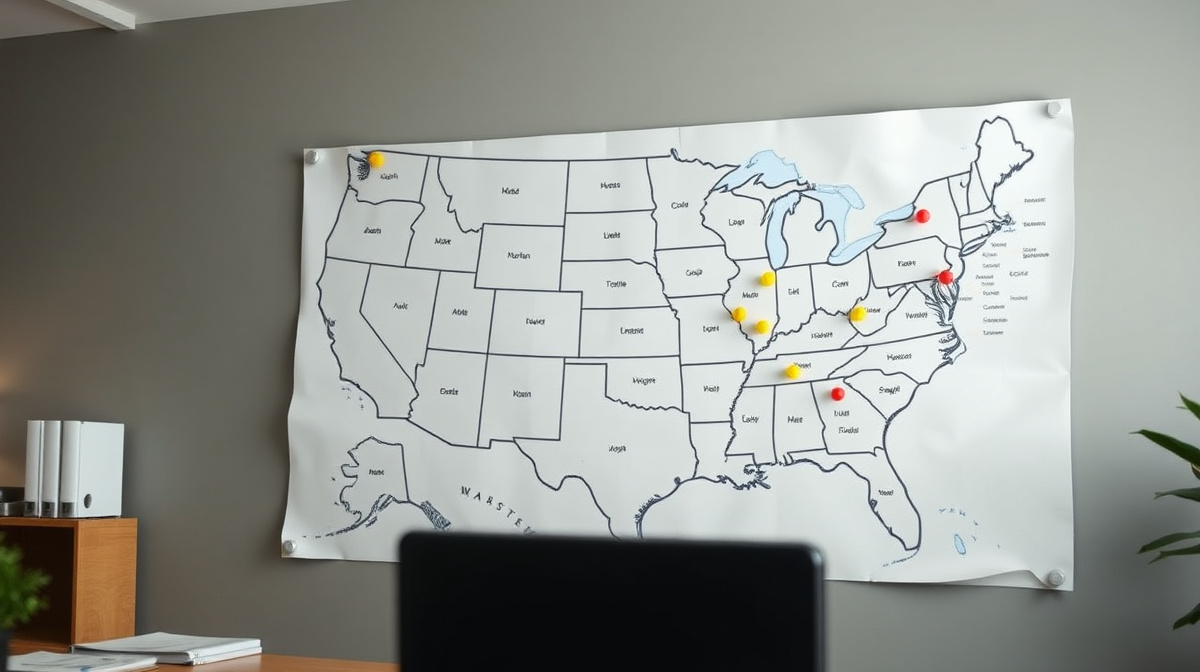
States That Require a Specific Insulation Contractor License
A rundown of the states with a genuinely distinct insulation contractor license or specialty classification, separate from general contracting.
SPFA Certification Explained: What It Is and What It Isn't
What the SPFA Professional Certification Program actually covers, its four levels, and why it isn't a substitute for state contractor licensing.
Not Sure What Your State Requires?
Tell us your state and where you are in the process — we'll point you to the right licensing board, classification, and next step. It's free, and there's no obligation.